Michael Brooks
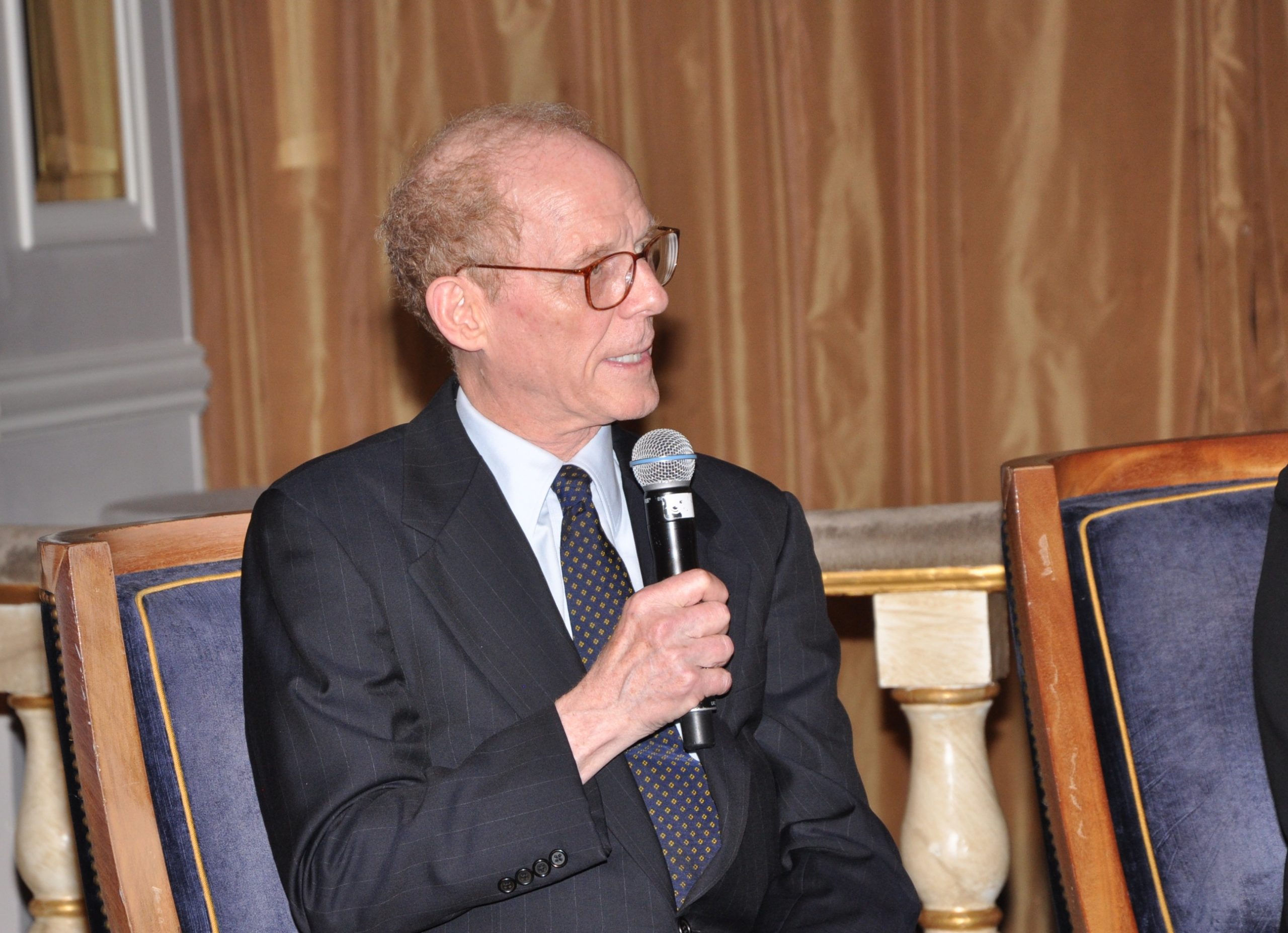
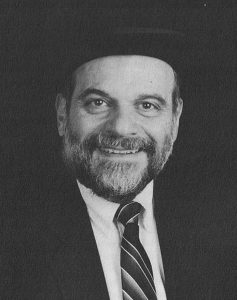
Michael Brooks first learned about warm Jewish communities growing up in Spokane, Washington, and Eugene, Oregon, but only started to understand them after he left home. Having parents whose own family traditions represented the best of Polish hasidism and Russian socialism may have helped lay the foundation for Michael’s later professional conviction that healthy community boundaries are needed as much to keep things in as to keep things out.
As an undergraduate at Brandeis University and as a graduate student at Harvard, the Hebrew University in Jerusalem, and the University of Michigan, Michael embarked on a life-long journey of exploration into the relationship between a community’s texts, values, and public culture. Along the way, he and his wife Ruth were among the co-founders of the Havurah Shalom community in Boston, an experience that left him with an indelible appreciation for what a Jewish community can and cannot be. During his years of graduate study he also served as Principal of the Hebrew high schools at Temple Emunah in Lexington, Massachusetts, and at Congregation Shaarey Zedek in Southfield, Michigan, and as Lecturer in the Program on Studies in Religion at the University of Michigan. He has also taught on the faculty of the Brandeis-Bardin College Institute and the Wexner Graduate Fellowship Summer Institute.
In 1980 Michael Brooks became Executive Director of the University of Michigan Hillel, an opportunity which provided a laboratory for many of his ideas about boundaries, public culture, and community membership. Michael lectures and consults throughout the country for federations, synagogues, and Jewish community centers on strengthening and stretching the boundaries of the Jewish community, and translating to other communal settings many of the important principles which have made the University of Michigan Hillel such a remarkable success.
Among his many wonderful teachers Michael counts his children, Hava and Ezra, from whom he has learned one of the fundamental principles of community change, namely that it is often easier to ask for forgiveness than to ask for permission. He is grateful, as well, to the thousands of students he has been privileged to work with who have helped him to understand that while conductors may not personally get to make as much music as they might like, they enjoy the incomparable pleasure of helping the orchestra to shine.