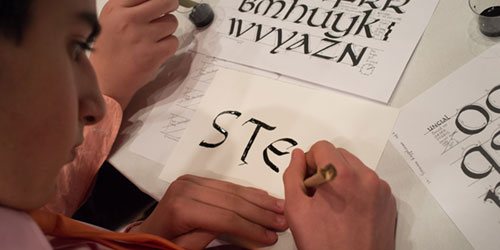

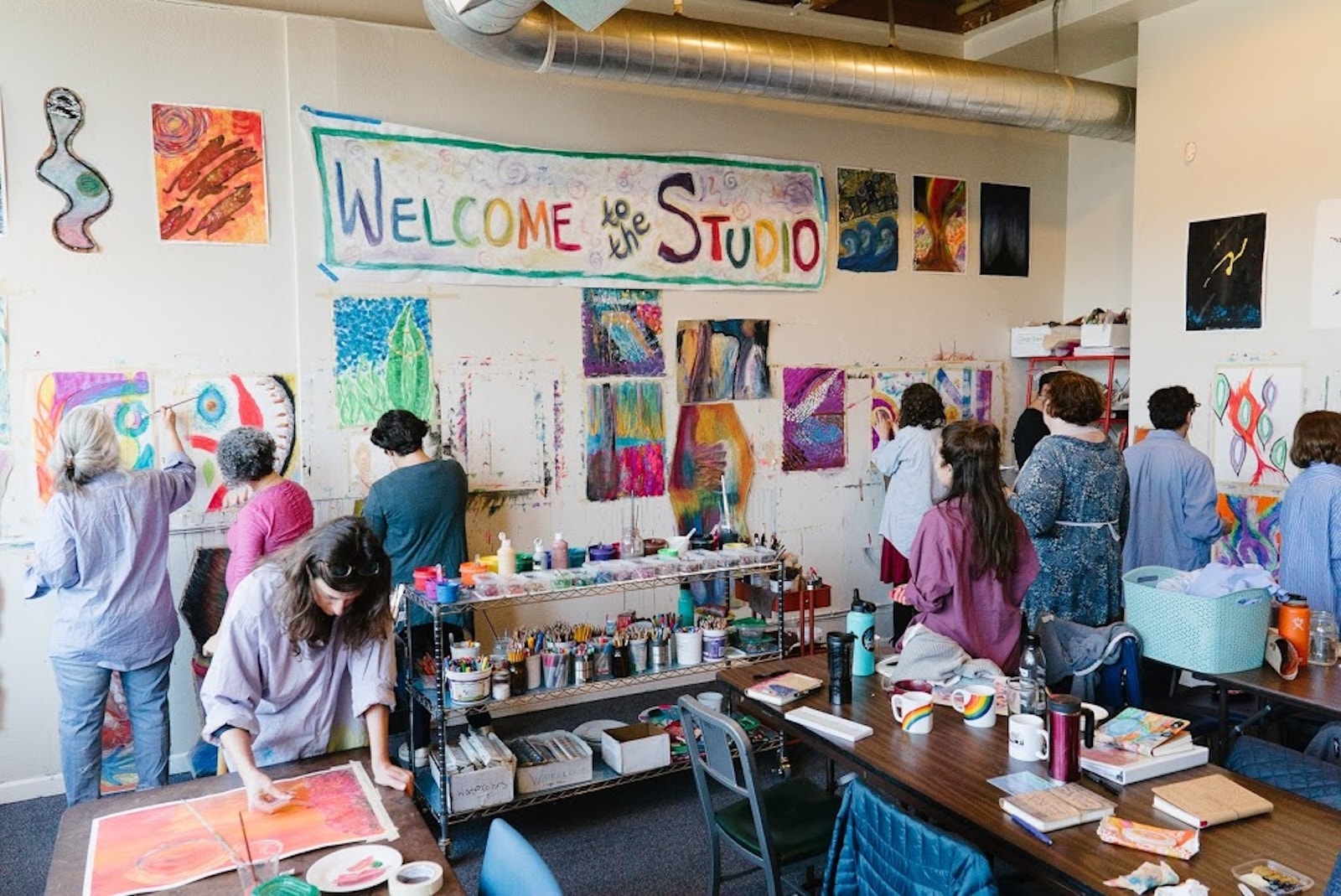

It’s probably safe to assume that lots of Jewish high school kids have acted in a production of Joseph and the Technicolor Dreamcoat—or at the very least, that they’ve seen some theatrical interpretation of the bible story on the stage of their school or summer camp. But it’s also probably safe to assume that most of them haven’t experienced the story of Joseph, the transgendered young man being bullied in high school. “It was an exploration of the gender binary, of the guy who doesn’t fit in, interspersed with deep themes of bullying and identity,” explains Charlie Schwartz, a Senior Jewish Educator and Director of BIMA and Genesis, two Brandeis University high school summer programs that offer intensive courses in the arts, sciences and technology, all within a Jewishly integrated communal campus experience.
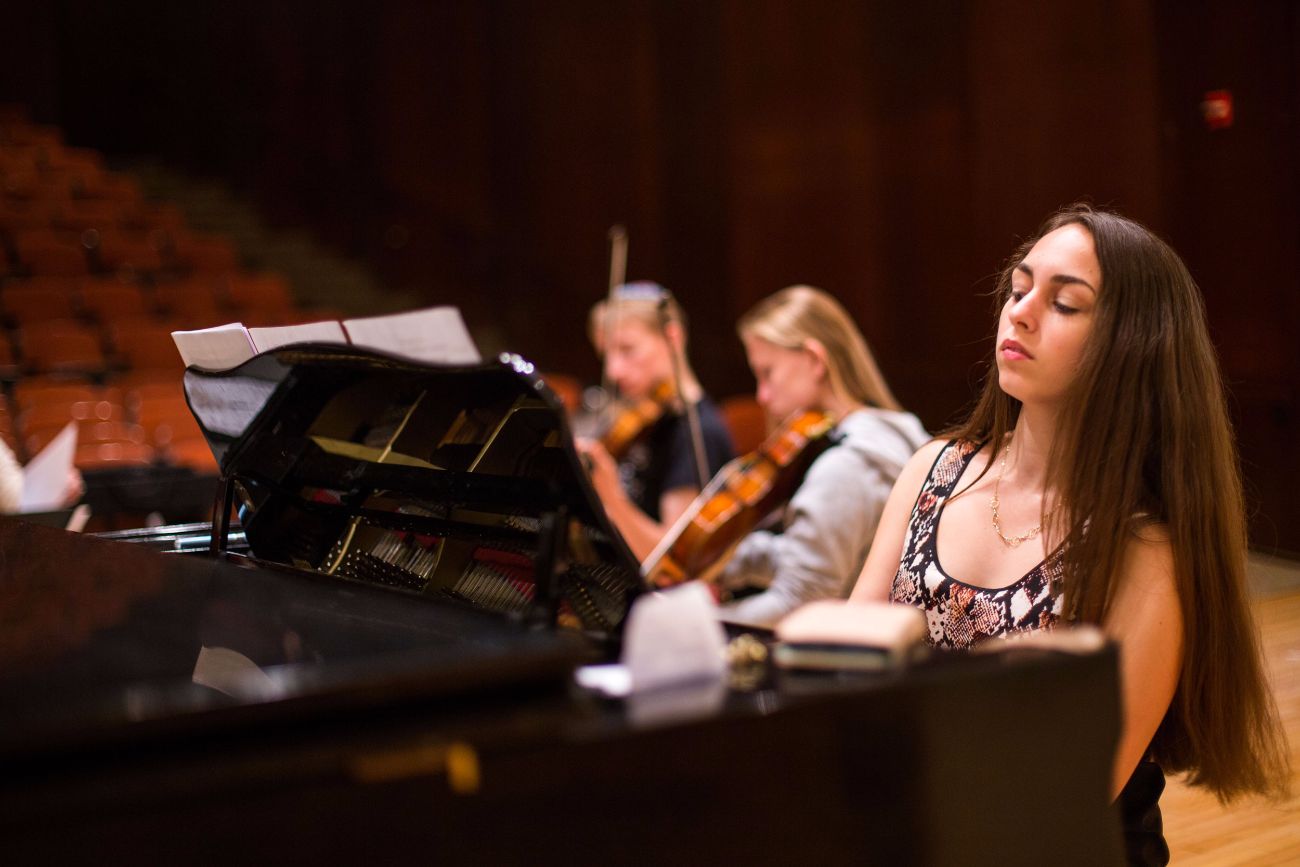
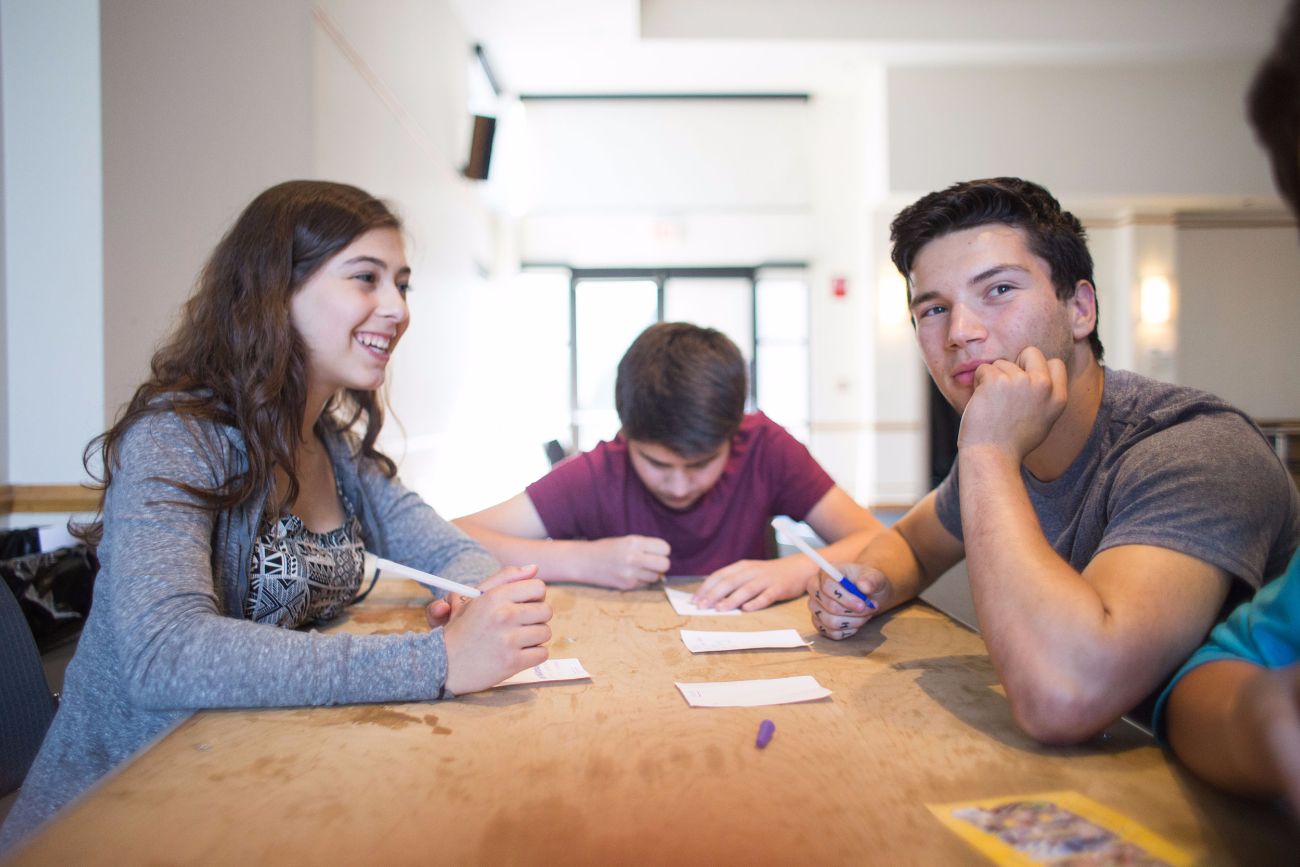
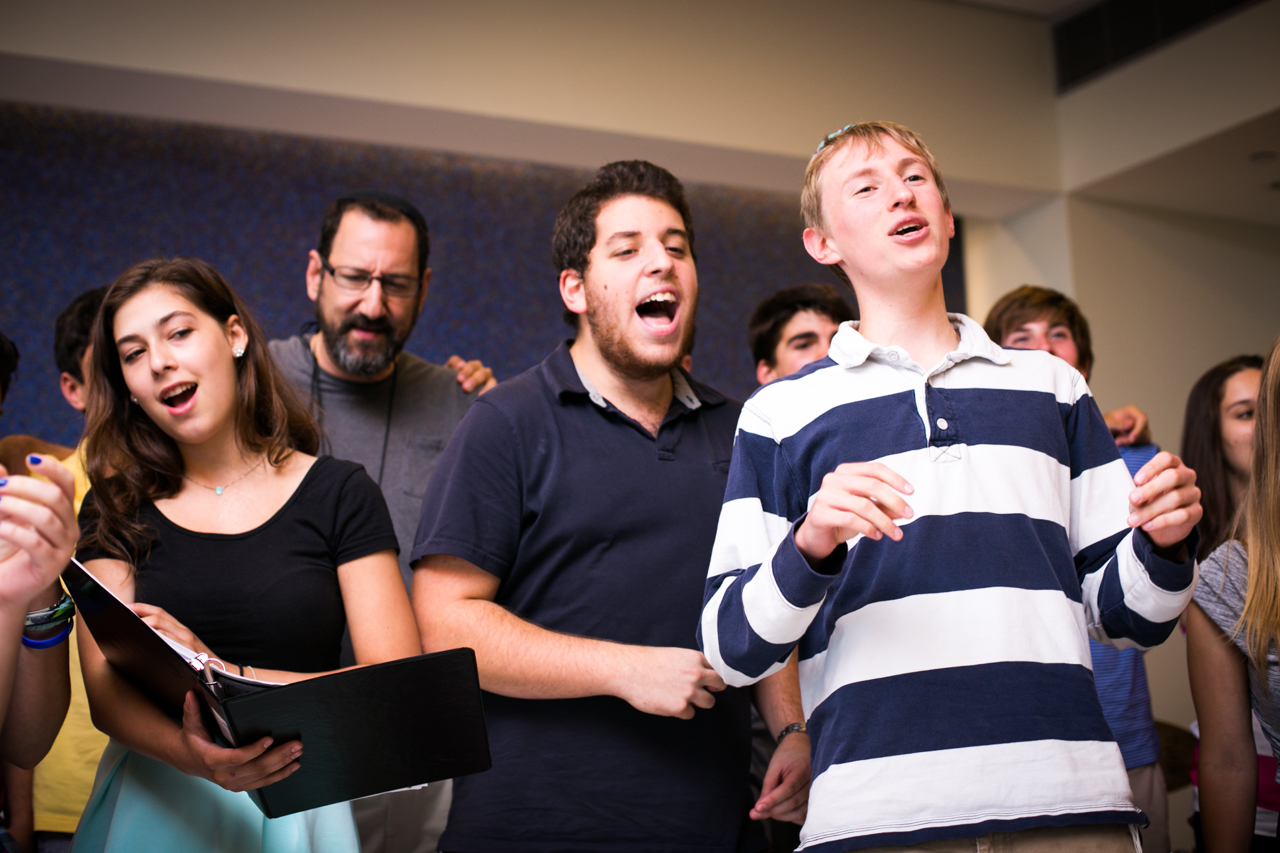
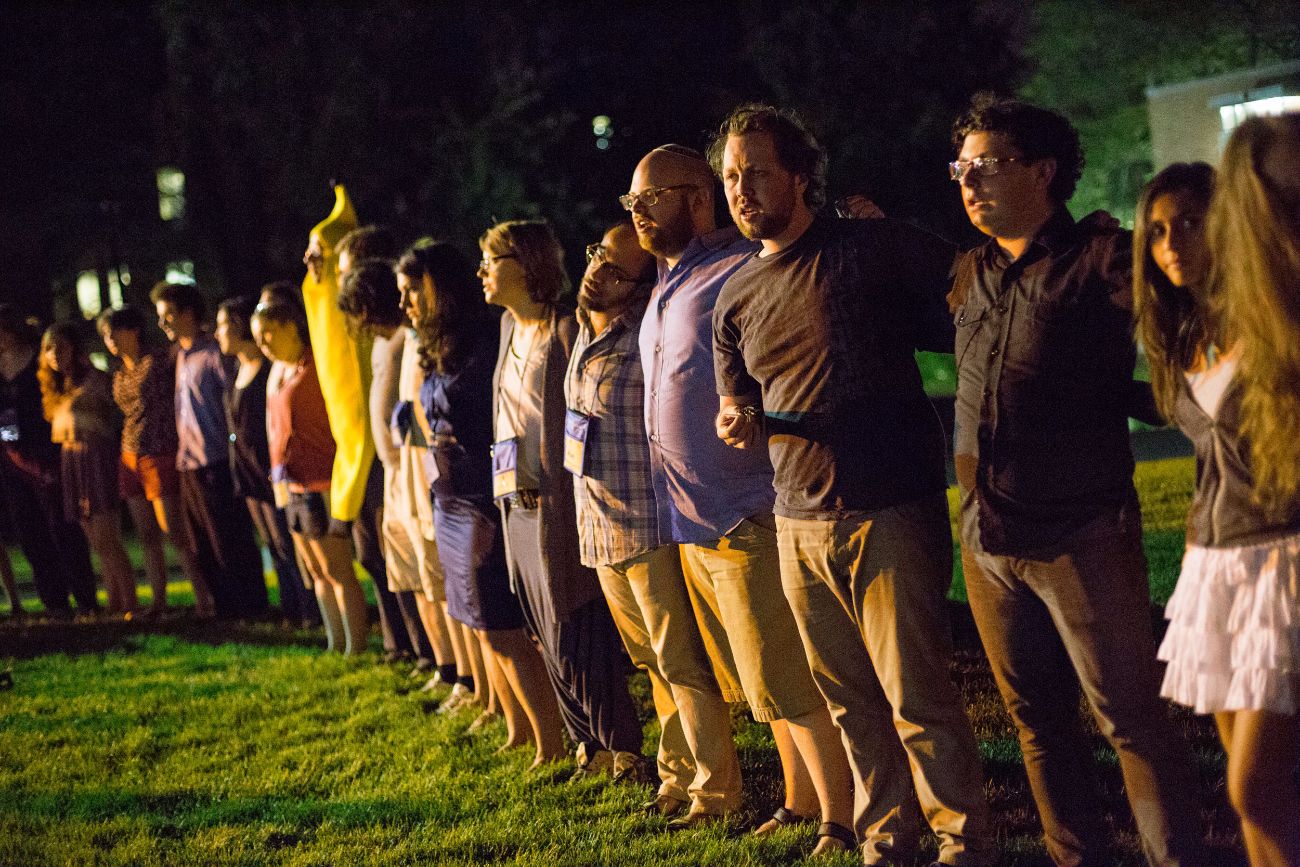
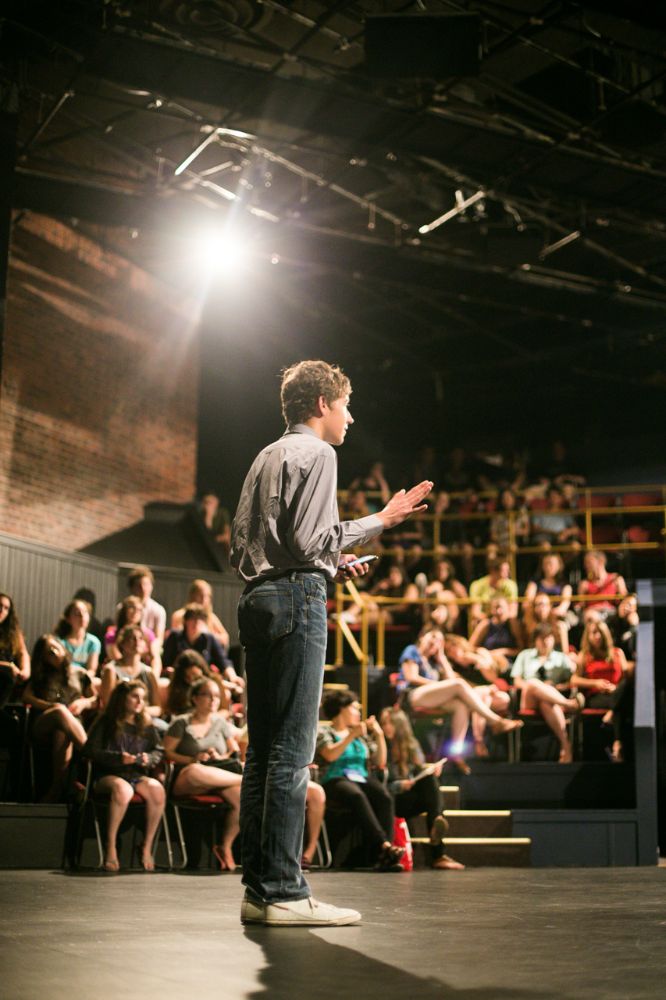

Each summer, BIMA brings high school students from across the globe to the Brandeis University campus for a month to study dance, creative writing, music and theater. But BIMA is not regular old summer school. In fact, the Joseph theater project from last summer is just one example of the ways in which BIMA invites students to develop their artistic passions while simultaneously exploring their Jewish identity. Schwartz explains that in selecting participants for the program, he intentionally tries to create the most pluralistic community possible. “We have kids who identify as Jewish but do not practice any ritual at home, to kids whose first language is Yiddish. There’s a huge spectrum of observance and identity. They are coming to us from Long Island to Nashville to Kiev.”
Both the BIMA and Genesis programs are closely guided by principals of design thinking, which, as Schwartz explains, is a systematic approach to addressing challenges, to opening lines of dialogue within a community and to brainstorming the best ways to address communal needs. “While they’re taking these courses,” he adds, “the students also have to negotiate what it means to create a Jewish community here at BIMA and Genesis. They are not passive consumers, but rather, they use design thinking to consider how we approach sacred space.” For example, Schwartz explains, every Shabbat the community sits together and uses a design thinking process to decide what that particular Shabbat will look like. “Shabbat doesn’t happen to them, but rather, they design it, they craft it,” he says.
And students are supported in their design by a faculty comprised of experts in their respective fields. “We cast a wide net when looking for faculty,” Schwartz says. “We seek those with strong backgrounds in Judaism, in a textual or a cultural way, in addition to the emotional intelligence required to do good residential supervision, and the educational experience to teach intensive courses.” Schwartz speaks animatedly when describing the make-up of this summer’s BIMA faculty, which includes visual artist Batnadiv Hakarmi-Weinberg and Ellen Alt, writer Jon Papernick, collaborative theater maker Lynda Bachman, musicians Carroll Goldberg, Asia Meirovich, Jesse Regan Mann and Greg Wall and choreographer and dancer Mica Bernes.