
Richard N. Levy z”l
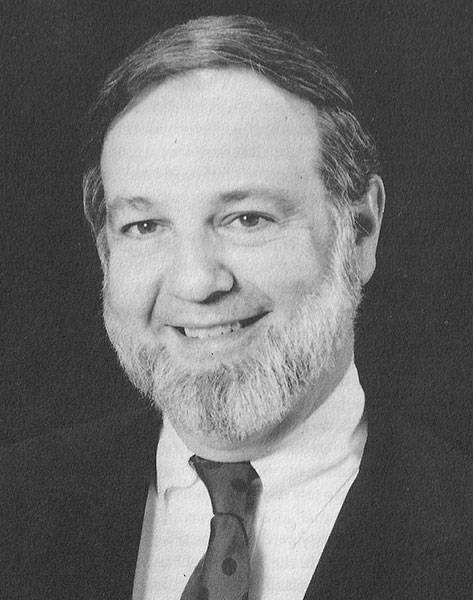
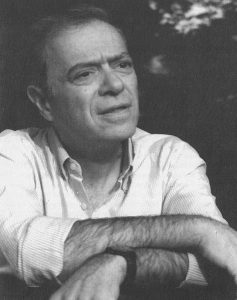
Rabbi Richard N. Levy was born in Rochester, New York, surrounded by a family with strong roots in Rochester’s Jewish life. His great-grandfather Isaac Lipsky (an uncle of Zionist leader Louis Lipsky) helped found the Leopold Street Schul; his cousin Ben Goldstein acted as Executive Director for his synagogue, Temple B’rith Kodesh. Those roots loosened after he moved to Larchmont, New York, though his parents, Mauree and Miriam Levy, were founding members of Larchmont Temple.
While preparing for his Bar Mitzvah, he decided he wanted to become a rabbi. Though writing occupied much of his time in high school and college (he was managing editor of the Harvard Crimson), his religious development continued and he entered Hebrew Union College in Cincinnati, where he was ordained. His teacher there, Dr. Eugene Mihaly, introduced him to liturgical writing, which has remained a calling throughout his life. Immediately after ordination he was jailed briefly with seventeen other rabbis in a civil rights protest organized by Dr. Martin Luther King, Jr., in St. Augustine, Florida. Upon release he did graduate work at Columbia University and later became assistant rabbi at Leo Baeck Temple in Los Angeles, working alongside Rabbi Leonard Beerman and Cantor William Sharlin. He became Director of Hillel at UCLA in 1968 and Los Angeles Regional Hillel Director in 1975. He has taught in several fields at Hebrew Union College and has been teaching an ongoing course in Chumash in the Department of Continuing Education at the University of Judaism. He taught for many summers at the National Hillel Summer Institute and the Hillel Leaders Assembly.
Rabbi Levy has edited a High Holy Day machzor, On Wings of Awe, a haggadah, On Wings of Freedom, published by National Hillel and KTAV, and he is now at work on a Shabbat siddur, On Wings of Light. He has lectured on prayer and other spiritual aspects of Judaism at synagogues around the country, and for five summers he was the Jewish Resource Theologian at the Coolidge Research Colloquium of the Association for Religion in Intellectual Life (ARIL). He chairs the Planning Committee for Making Diversity Work, which convenes interethnic conferences’ for academic and community leaders on the topic of campus diversity. He was elected Recording Secretary of the Central Conference of American Rabbis and holds an honorary doctorate of divinity from Hebrew Union College.